
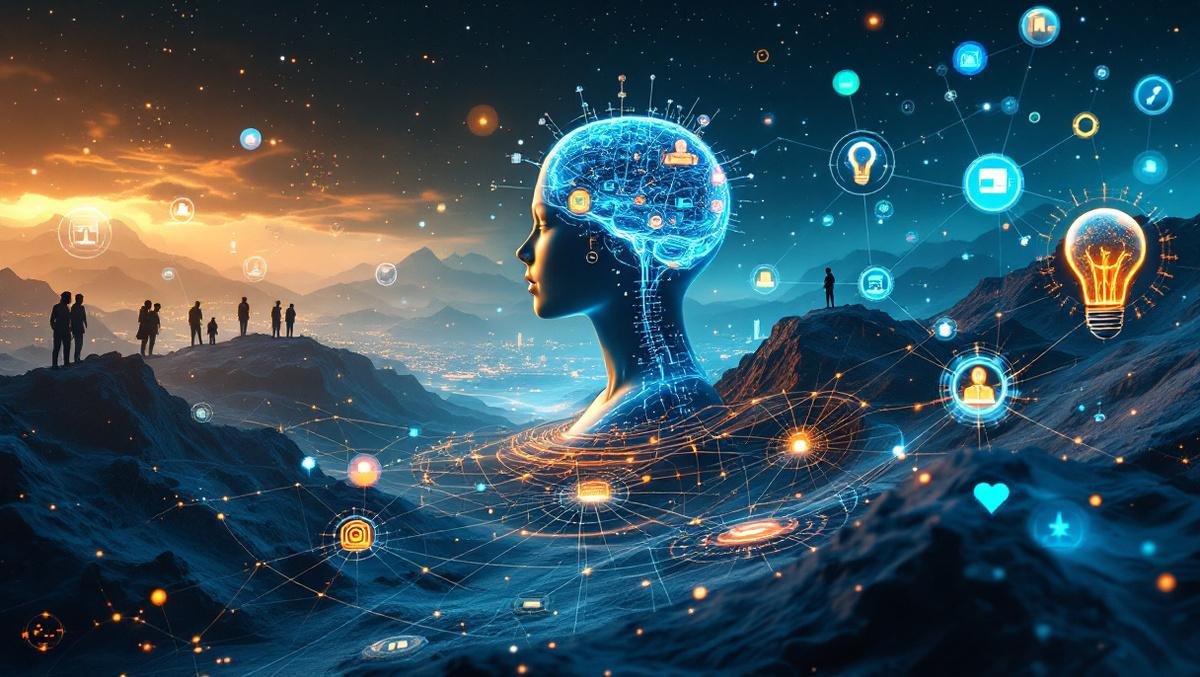
Artificial Intelligence (AI) is becoming an important part of modern life. From smartphones and online shopping to healthcare and education, AI-powered technologies are changing how people interact with the digital world.
But what exactly is artificial intelligence, and how does it work?
What Is Artificial Intelligence?
Artificial Intelligence is a field of computer science focused on developing systems that can perform tasks that typically require human intelligence.
These tasks include understanding language, recognizing images, identifying patterns and generating predictions.
How Do We Use AI in Everyday Life?
1. Smartphones
Smartphones use AI for voice assistants, camera enhancements, face recognition and predictive text.
2. Online Shopping
Shopping platforms use recommendation systems to suggest products based on browsing activity and preferences.
3. Education
AI-powered learning tools can help students understand complex topics, practice skills and organize their studies.
4. Healthcare
AI technologies can assist healthcare professionals with medical image analysis, research and administrative tasks.
Benefits of Artificial Intelligence
- Automates repetitive tasks.
- Helps analyze large amounts of information.
- Supports personalized digital experiences.
- Can improve productivity and efficiency.
Challenges of AI
AI also introduces challenges involving data privacy, security, bias, reliability and the changing nature of employment.
It is important to use these technologies responsibly and evaluate their outputs critically.
Conclusion
Artificial Intelligence is influencing many aspects of everyday life. Understanding its capabilities and limitations can help individuals and organizations make better use of this technology.
The future of AI will depend not only on technological progress but also on responsible development and human decision-making.